
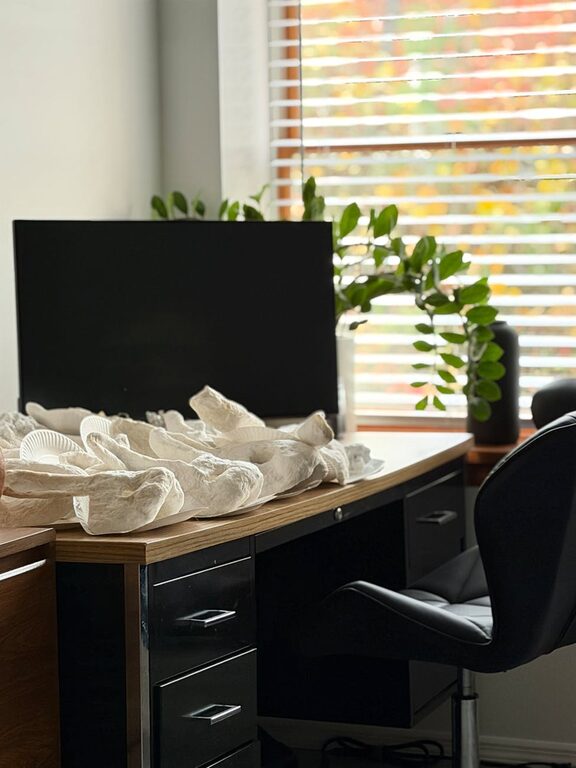
Creating a relaxing home office environment can make a significant difference to your workday, helping to improve focus, creativity, and overall wellbeing. Whether you work from home full-time or occasionally need a dedicated workspace, designing an area that feels calm and welcoming is essential. Here are some practical tips to help you craft a home office where you can work comfortably and stress-free.
Choose the Right Location
Finding the perfect spot for your home office is the first step. Ideally, choose a quiet area that receives plenty of natural light. Natural light helps to reduce eye strain and boost mood, making it much easier to stay alert and motivated throughout the day. If possible, pick a space away from household distractions such as the television or kitchen.
If space is limited, try to dedicate a specific corner or nook to your work materials. Consistency in location helps your brain associate the space with work and focus.
Invest in Comfortable, Ergonomic Furniture
Comfort is crucial when setting up your workspace to avoid physical strain and fatigue.
– Chair: Choose an ergonomic office chair with adjustable height, lumbar support, and comfortable cushioning. Sitting correctly supports good posture and helps prevent back pain.
– Desk: A desk at the right height will keep your arms and wrists comfortable. Consider a standing desk or a sit-stand converter to allow changing your position during the day.
– Monitor and Keyboard: Position your monitor at eye level and use an external keyboard and mouse if working on a laptop to reduce neck and wrist strain.
Investing in quality furniture may cost a little more upfront but pays off in improved comfort and health.
Keep Your Space Organised
A cluttered desk can create a cluttered mind. Keeping your workspace tidy helps to reduce stress and increase focus.
– Use trays, drawers, or organisers to store stationery and documents.
– Keep only essential items on your desk to reduce distractions.
– Set aside a few minutes daily to tidy up your area.
– Use cable clips or organisers to manage cords and chargers.
An organised desk creates a more peaceful atmosphere and improves efficiency.
Incorporate Soothing Colours and Decor
The colours and decor you choose can impact your mood and concentration.
– Colour: Soft, neutral tones such as pale blues, greens, or greys can create a calming effect. Avoid overly bright or harsh colours that may be distracting.
– Plants: Adding some greenery can improve air quality and add a touch of nature. Low-maintenance plants like succulents or spider plants are ideal.
– Personal Touches: Include a few items that make you happy or inspired, such as photos, art, or motivational quotes, but don’t overcrowd the space.
Aim for balance—decorate enough to personalise the space without cluttering it.
Control Lighting and Noise
Good lighting and minimal noise are key to a relaxing work environment.
– Use a combination of natural daylight and quality artificial lighting. A desk lamp with adjustable brightness can help reduce eye strain.
– Consider soft, warm lighting to create a cosy feel, especially if working in the evening.
– Reduce noise distractions by using noise-cancelling headphones or playing gentle background music if it helps you concentrate.
– If external noise is an issue, simple solutions like drafts-proofing windows or hanging sound-absorbent curtains can help.
Creating a quiet, well-lit environment will support clear thinking and comfort.
Establish Boundaries and Routines
A home office should also work psychologically as a workspace.
– Set clear working hours to help separate work time from leisure.
– Use visual cues like closing a door or pulling down a blind to indicate when you’re working.
– Take regular breaks to stretch, move, and rest your eyes.
– Create a routine for starting and finishing your workday to help your mind switch between work and home modes.
Clear boundaries reduce stress and support work-life balance.
Add Comfort and Wellness Features
Small additions can improve your physical and mental wellbeing as you work.
– Keep a water bottle nearby to stay hydrated.
– Use a small fan or humidifier if necessary to maintain a comfortable room temperature.
– Include a cushion or footrest for extra comfort.
– Practice simple desk stretches or mindfulness exercises during breaks.
Taking care of your body and mind contributes to a relaxing workspace.
Utilise Technology Wisely
Technology can help or hinder a relaxing office space.
– Keep your computer and devices organised to avoid unnecessary frustration.
– Use apps or tools to manage your schedule and tasks efficiently.
– Eliminate digital clutter by organising files and clearing your desktop regularly.
Being mindful of how technology impacts your work can reduce stress.
—
Creating a relaxing home office environment takes some thought and effort, but the benefits are well worth it. By choosing the right location, investing in comfort, keeping your space organised, and managing light and noise effectively, you’ll create a space where work feels less like a chore. Remember to personalise your area and establish routines that support your wellbeing, helping you maintain focus and calm throughout your working hours. A well-designed home office isn’t just a luxury—it’s a key ingredient for productive and pleasant workdays.