
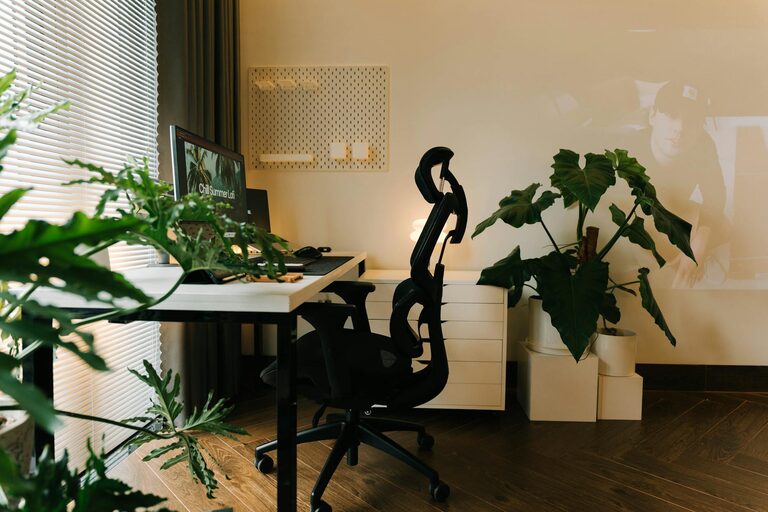
Creating a relaxing home office space is essential for maintaining focus and comfort while working from home. Whether you use your home office full-time or occasionally, designing an environment that promotes ease and efficiency can make a significant difference to your daily experience. This post explores practical tips for making your home workspace both comfortable and productive.
Why a Relaxing Home Office Matters
Your home office is where you spend a considerable amount of time working, so it should support your mental and physical wellbeing. A calming atmosphere helps reduce stress and distractions, enabling you to focus better and complete tasks more efficiently. When you feel comfortable, you’re more likely to enjoy your work, which in turn boosts productivity and motivation.
Choose the Right Location
Selecting the best spot for your home office is the starting point. Ideally, pick a quiet area away from household noises, with enough natural light and ventilation. If possible, separate your work area from your living spaces to mentally distinguish between work and relaxation.
Invest in Comfortable Furniture
Ergonomic Chair and Desk
Comfort starts with good furniture. An ergonomic chair that supports your back and encourages good posture will reduce discomfort caused by long hours sitting. Pair it with a desk at the right height to prevent strain on your arms and shoulders.
Adjustable Equipment
Consider adjustable desks—such as standing desks or those with height adjustment—to switch between sitting and standing. This promotes better circulation and reduces fatigue.
Mind Your Lighting
Lighting affects both your mood and productivity. Natural light is the best option, so position your desk near a window if you can. If natural light is limited, use soft, warm artificial lighting that avoids glare on screens.
Task Lighting
Adding a desk lamp with adjustable brightness helps reduce eye strain, especially during later hours. Position it so it illuminates your workspace without casting shadows.
Keep Your Space Organised
Clutter can create stress and distraction. Aim to keep your desk tidy with only the essentials on hand. Use organisers such as trays, filing systems, or desk drawers to keep paperwork and stationery neatly stored.
Digital Organisation Tools
Don’t forget to organise your digital workspace too. Clear desktop icons and organise files into folders to reduce screen clutter and enhance focus.
Add Elements of Calm
Bringing calming details into your office can improve your mood and help you relax between tasks.
Plants
Introduce greenery with small indoor plants or succulents. They improve air quality and create a soothing visual environment.
Personal Touches
Include a few personal items like favourite photos, artwork, or a decorative item that makes the space feel welcoming, but avoid overcrowding.
Manage Noise Levels
Noise interruptions can reduce concentration. To create a peaceful atmosphere:
– Use noise-cancelling headphones or earplugs.
– Play soft background music or white noise if it helps you focus.
– Use rugs, curtains, or cushions to absorb sound.
Maintain Good Air Quality
Fresh air and a comfortable temperature are vital for alertness. Open windows regularly to let in fresh air. If necessary, use air purifiers or fans to keep the air clean and circulate it well.
Take Regular Breaks
Even in the most relaxing setups, sitting for long periods can be harmful. Set reminders to stand up, stretch, and rest your eyes every hour. This helps prevent fatigue and maintains productivity.
Personalise Your Routine
Your home office should support your unique work style. Experiment with arranging your space and incorporating routines that help you feel calm and focused. Whether that’s lighting a scented candle, having a cup of herbal tea, or a short meditation, small rituals can enhance comfort.
Final Thoughts
Creating a relaxing home office is about blending comfort, organisation, and functionality. With the right setup, you can build an environment that supports your wellbeing and productivity. Start with small changes, and gradually tailor your workspace to what feels best for you. A mindful home office sets the foundation for successful and enjoyable workdays.